Liposuction Farmington Hills: Tips for a Comfortable Recovery Journey
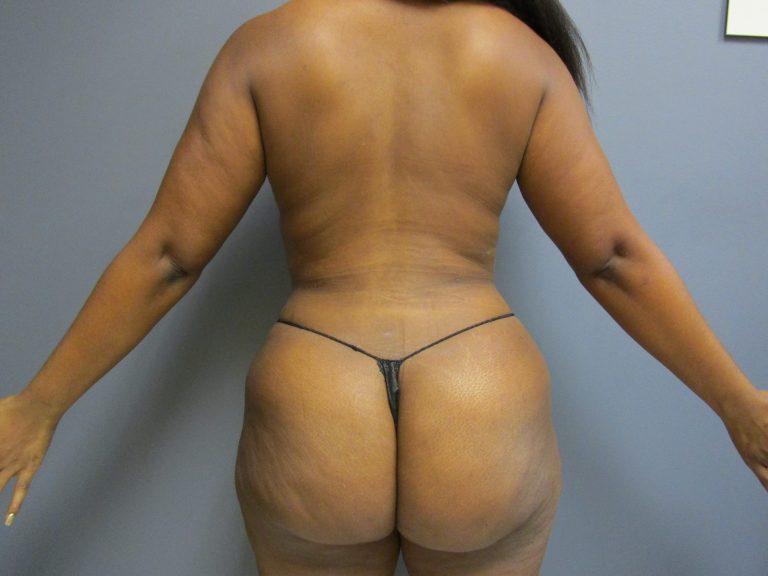
Liposuction can be a meaningful step for people who have worked hard on their health and still feel frustrated by areas that do not respond to diet or exercise. The procedure can refine body contours, but the result most patients care about is not just what they see in the mirror a few months later. They also care about how manageable recovery feels in the first days and weeks after surgery.
That part deserves more attention than it usually gets. Recovery is where expectations meet reality. It is also where small choices, from the clothes you set out the night before surgery to the amount of water you drink in the first 48 hours, can make a noticeable difference. Patients seeking Liposuction Farmington Hills often ask the same practical questions: How sore will I feel? When can I walk normally? What helps with swelling? When can I get back to work, the gym, and regular life?
The answers depend on the size of the treatment area, the technique used, your baseline health, and whether liposuction is performed alone or paired with another procedure. Still, the broad patterns are predictable enough that good preparation goes a long way. A comfortable recovery rarely happens by accident. It comes from planning, patience, and a realistic understanding of what the body needs after surgery.
Recovery starts before surgery day
The smoothest recoveries usually belong to patients who treat preoperative planning as part of the procedure itself. They do not wait until they are groggy after surgery to think about ice packs, loose clothing, or where they will sleep. They prepare their space in advance, arrange help, and understand the medication schedule before the first dose is due.
At a practical level, that means creating a home setup that reduces friction. You want water, medications, clean towels, and easy meals within reach. If your surgeon expects you to wear a compression garment right away, make sure it fits properly and that you know how to put it on without struggling. Tight, awkward, or poorly fitted garments can make an already tender first week feel much harder than it needs to.
Transportation matters too. Even if the procedure is not extensive, you should plan for someone responsible to drive you home and stay with you for at least the first night if your surgeon recommends it. Patients often underestimate how sleepy and slow they will feel after anesthesia or sedation. That is normal. It is also the reason you want as few decisions as possible waiting for you at home.
One of the more overlooked details is time off. Some people can return to desk work in a few days, while others need closer to a week or more, especially if multiple areas were treated. If your job involves lifting, bending, long periods on your feet, or a uniform that rubs sensitive areas, build in extra margin. Recovery usually feels easier when you are not trying to force your body back into a schedule it is not ready for.
What the first few days usually feel like
Patients often expect sharp pain, but many describe the sensation more as deep soreness, stiffness, bruising, pressure, and tenderness. It can feel similar to the aftermath of an intense workout, except more persistent and spread over a specific treatment area. If the abdomen, flanks, thighs, arms, or under-chin area were treated, the sensations vary somewhat, but swelling is almost always part of the picture.
The first 24 to 72 hours tend to be the most noticeable. You may feel tired, puffy, and emotionally flat. That last part surprises people. After surgery, even when everything is going well, it is common to feel a little discouraged because the body looks swollen rather than sculpted. This is where realistic expectations matter. The early phase is not a preview of the final result. It is a normal inflammatory response.
Drainage can also catch people off guard. Depending on the technique used and the amount of tumescent fluid involved, some leaking from incision sites may happen in the early postoperative period. That is often expected. It can be messy, but it does not mean something is wrong. Most surgeons warn patients in advance, though many still feel surprised when it happens. Old sheets, absorbent pads, and dark loose clothing are small things that save unnecessary stress.
Walking will probably feel awkward at first, particularly if the abdomen, waist, or thighs were treated. That does not mean you should stay still. Gentle walking, even short trips around the room or hallway, often helps circulation, stiffness, and energy. It can also reduce the sense of heaviness that builds when people Liposuction Farmington HIlls remain in bed too long.
Why compression makes such a difference
Compression garments are not glamorous, but they matter. They support healing tissue, help control swelling, and can make movement feel more secure. The right garment feels snug without digging, folding, or causing numbness. Too loose and it does little. Too tight and it can create pressure points, discomfort, and uneven irritation.
Patients usually notice a pattern with compression. At first, they may resent it because putting it on is uncomfortable. Then, after a few days, many realize they feel better while wearing it than without it. That is not universal, but it is common. The garment provides structure during a phase when treated areas can feel oddly unstable or hypersensitive.
The catch is that comfort depends on fit and timing. If the garment bunches behind the knees, rolls at the waist, or rubs under the arms, it may need adjustment or replacement. This is one reason it helps to ask detailed questions before surgery rather than assuming all shapewear works the same way. Medical compression after liposuction is specific. A garment that looks similar online may not offer the same support.
Swelling is normal, but it has a rhythm
Swelling is one of the biggest sources of anxiety after liposuction because it changes slowly and unevenly. The body does not heal in a straight line. Some days you look leaner and more defined, and the next day you look puffy again. Travel, salty meals, menstrual cycles, poor sleep, and returning to activity too quickly can all make swelling more obvious.
Most patients improve in stages. The first noticeable drop in puffiness often comes within a few weeks, but residual swelling can linger much longer, especially in larger treatment areas. It is not unusual for subtle changes to continue for several months. That timeline can feel frustrating if you are eager to judge the outcome, but it is a standard part of tissue recovery.
This is where patience becomes practical rather than abstract. Trying on old jeans every other day or inspecting the same area under bright bathroom lighting will not speed healing. What helps is consistency. Wear the recommended garment, stay hydrated, move gently, and attend follow-up appointments so your surgeon can assess whether your healing pattern is typical for the procedure you had.
Pain control works best when it is boring and consistent
A comfortable recovery is rarely about heroic pain tolerance. It is usually about staying ahead of discomfort instead of waiting until soreness becomes intense. If your surgeon prescribes medication, take it exactly as directed. Some patients do best with prescription pain medication for a short time, then transition to approved over-the-counter options. Others need very little. The point is not to prove toughness. The point is to heal with less stress.
Hydration, positioning, and light movement are often as important as medication. When patients become dehydrated, constipated, and stiff from inactivity, everything feels worse. On the other hand, someone who drinks fluids regularly, gets up for short walks, and rests in a supported position often reports a smoother experience even with similar surgical details.
Constipation deserves a direct mention because it is one of the most common and least discussed reasons people feel miserable after surgery. Anesthesia, reduced movement, and pain medications can all slow the gut. If your surgeon recommends a stool softener or bowel support plan, take that advice seriously. It may do more for your comfort than you expect.
michellehardawaymd.com Liposuction Farmington HIllsThe home setup that pays off all week
Before surgery, it helps to gather a few items that make the early recovery period simpler:
- Loose, easy-on clothing that does not require twisting, pulling, or bending.
- Extra pillows to support a semi-reclined or otherwise surgeon-approved sleeping position.
- Water bottles, bland snacks, and simple meals that do not require much preparation.
- Absorbent pads or old towels in case there is postoperative drainage.
- A written medication schedule so you do not rely on memory when you are tired.
None of these items is expensive or complicated, but together they remove a surprising amount of stress. Patients often remember the small conveniences more than the big plans. A bedside charger, a full water bottle, and not having to hunt for medication at midnight can make the first two days feel far more manageable.
Returning to work, exercise, and normal routines
The urge to bounce back quickly is strong, especially in people who are used to being active and independent. The challenge is that feeling a little better can lead to doing too much too soon. That is when swelling flares, soreness increases, and fatigue lingers longer than expected.
Desk work is often possible within several days to a week, but this varies. A person who had a small area treated and works from home may resume tasks sooner than someone with a physically demanding job or a long commute. Standing all day in retail, patient care, hospitality, or manufacturing is not the same as checking emails from the couch.
Exercise needs a similarly honest approach. Gentle walking usually starts early, often within a day, because circulation and mobility matter. Hard workouts are different. Running, heavy lifting, high-intensity interval training, and any movement that strains healing tissue may need to wait until your surgeon clears them. Rushing back is rarely worth it. Patients who resume activity too aggressively often trade a few days of impatience for several extra weeks of swelling and discomfort.
One common misconception is that sweating equals recovery progress. It does not. Recovery progress looks more like stable energy, less tenderness, reduced swelling, and incisions healing cleanly. It looks unremarkable, which is often the best sign.
Eating for healing, not punishment
After liposuction, some people swing into an overly restrictive mindset because they are afraid of “ruining” their result. That usually backfires. The body heals best when it has enough protein, fluids, and regular nourishment. Severely cutting calories right after surgery can leave you weak, dizzy, constipated, and slow to recover.
A balanced recovery diet tends to be simple rather than trendy. Protein supports tissue repair. Fluids help circulation and reduce the drained, headachy feeling that often follows surgery. Fiber helps counter the sluggish digestion that comes with pain medication and lower activity. Salty restaurant meals and alcohol can intensify swelling for some patients, so moderation helps, especially early on.
This does not mean you need a perfect menu. It means your body will usually respond better to grilled chicken and rice, yogurt and fruit, soup, eggs, oatmeal, or a sandwich than to greasy takeout and too little water. Small decisions repeated for several days matter more than one “clean” meal.
The emotional side of recovery is real
There is a quiet emotional dip that can happen after cosmetic surgery, even when patients are well prepared and happy they went through with it. Swelling, bruising, disrupted sleep, and temporary limitations can make people feel irritable or doubtful. Some become fixated on asymmetry or worry they made a mistake because they do not yet see the polished result they imagined.
That emotional swing is common enough that it should be normalized. It does not mean you are ungrateful, unrealistic, or healing badly. It means your body has been through a procedure and your brain is adjusting to the in-between stage. This is especially true during the first week, when you are most swollen and least mobile.
If you are considering Liposuction Farmington Hills, it helps to treat recovery as a process with phases rather than one continuous experience. The first phase is about getting through the immediate postoperative period safely and comfortably. The second is about letting swelling settle and routines return. The final phase is about refinement and patience while the body reveals the result. Thinking in phases prevents people from expecting month-three results in week one.
When to call your surgeon
Good recovery advice includes knowing what falls outside the normal range. Reach out to your surgical team promptly if you notice any of the following:
- Fever, worsening redness, or drainage that suggests infection.
- Pain or swelling that suddenly increases rather than gradually improving.
- Shortness of breath, chest pain, or calf pain, which need urgent medical attention.
- Persistent nausea, vomiting, or inability to keep fluids down.
- Any incision issue or garment problem that causes significant concern or skin injury.
Patients sometimes hesitate because they do not want to “bother” the office. That is the wrong instinct after surgery. If something feels off, ask. Experienced surgical teams would much rather answer a simple question early than treat a preventable problem later.
Follow-up visits are part of the result
The procedure itself is only one part of the experience. Follow-up care shapes both comfort and outcome. These visits allow your surgeon to assess swelling, bruising, contour changes, skin quality, and overall healing. They are also the best place to ask practical questions that are hard to answer by reading online forums, such as whether a firm spot is normal, when a garment can be adjusted, or why one side seems slower to settle.
This matters because recovery is personal. Two patients can have similar procedures and very different swelling patterns, bruising, skin elasticity, or tolerance for compression. Online comparisons often create confusion rather than reassurance. Your surgeon knows what was done, how much tissue was treated, and what your baseline looked like before surgery. That context is what makes postoperative guidance useful.
A surgeon who performs Liposuction Farmington Hills regularly will usually have a clear sense of what local patients ask most, whether that is how to navigate recovery during a Michigan winter, how soon they can return to commuting, or how to manage a job that keeps them on their feet. Practical guidance grounded in day-to-day experience often matters more than broad generic advice.
Small habits that make recovery easier
Comfort often comes down to rhythm. Wake up, hydrate, take medications on time, walk a little, eat something light with protein, rest, and repeat. The body likes steadiness. Patients who do well tend not to be the ones doing anything fancy. They are the ones following instructions, staying patient, and resisting the urge to micromanage every bruise and contour change.
Sleep deserves special attention. If your usual position is not allowed or is uncomfortable because of treated areas, the first week can feel longer simply because you are tired. Build a sleep setup that supports your surgeon’s recommendations. Extra pillows, a recliner for a short period if appropriate, and a cool room often help more than people expect. Good sleep reduces stress, improves pain tolerance, and gives the immune system the support it needs.
Clothing can also influence mood and comfort. Soft, loose layers are better than anything tight or complicated. If you need to wear compression beneath your clothing for several weeks, planning a few comfortable outfits in advance saves mental energy. This sounds minor, but patients appreciate it once they are dressing a sore body each morning.
The longer view
Liposuction recovery is not usually dramatic, but it does ask for discipline. Most discomfort is temporary. Most swelling improves steadily, even if the pace feels slow. What tends to separate a rough recovery from a manageable one is not luck so much as preparation, communication, and restraint.
The final shape develops over time, and the first week does not define the result. If you are planning Liposuction Farmington Hills, give as much thought to recovery as you do to procedure day. Arrange your home, clear your schedule, understand your instructions, and respect the timeline your surgeon gives you. Patients who do that are often pleasantly surprised by how doable recovery feels, even when it is not especially comfortable at every moment.
Healing is rarely glamorous. It is repetitive, patient, and sometimes tedious. But handled well, it is also very workable, and that is what allows the aesthetic result to emerge with far less stress.
Aesthetic Plastic Surgery & Laser Center, Michelle Hardaway M.D.
27920 Orchard Lake Rd
Farmington Hills, MI 48334
(248) 221-1957
FAQ About Liposuction Farmington Hills
What disqualifies you from getting liposuction in Farmington Hills?
A surgeon may recommend postponing or avoiding liposuction if a health condition, medication, or nicotine use raises the risk of surgery or poor healing. A consultation is needed to assess your medical history and whether the procedure fits your goals.
Can liposuction remove 20 pounds?
Liposuction is a body contouring procedure for localized fat. It is not a weight loss treatment, and a specific number of pounds is not a safe or useful target. The surgeon determines how much can be removed safely for each patient.
What are the risks of liposuction?
Risks include infection, changes in sensation, uneven contours, and complications from anesthesia or blood clots. A plastic surgeon can explain which risks apply to you and what to expect during recovery.